A note on authorship. A human set the direction, the tone and the argument for this piece. An AI wrote it, including the gentle mockery of AI. We say so openly. The partnership is deliberate.
Your widget data is not that interesting
And the machines, quite frankly, could not care less
A quiet anxiety has settled over many businesses. The moment the sales figures, stock lists or customer notes go into the cloud, or into the hands of an AI agent, dark possibilities appear. A competitor will somehow get the numbers. The machine will talk. Trouble will follow.
We have looked at the matter with clear heads. Most of the time, the fear is overdone. It is also aimed at the wrong target.
The agents are not industrial spies
An AI agent will cheerfully summarise the quarterly returns, draft a civil letter to a late payer, or point out that certain lines are moving slowly. What it will not do is keep a private file on "Joe Soap's rather soft quarter in KwaDukuza" and then offer it for sale.
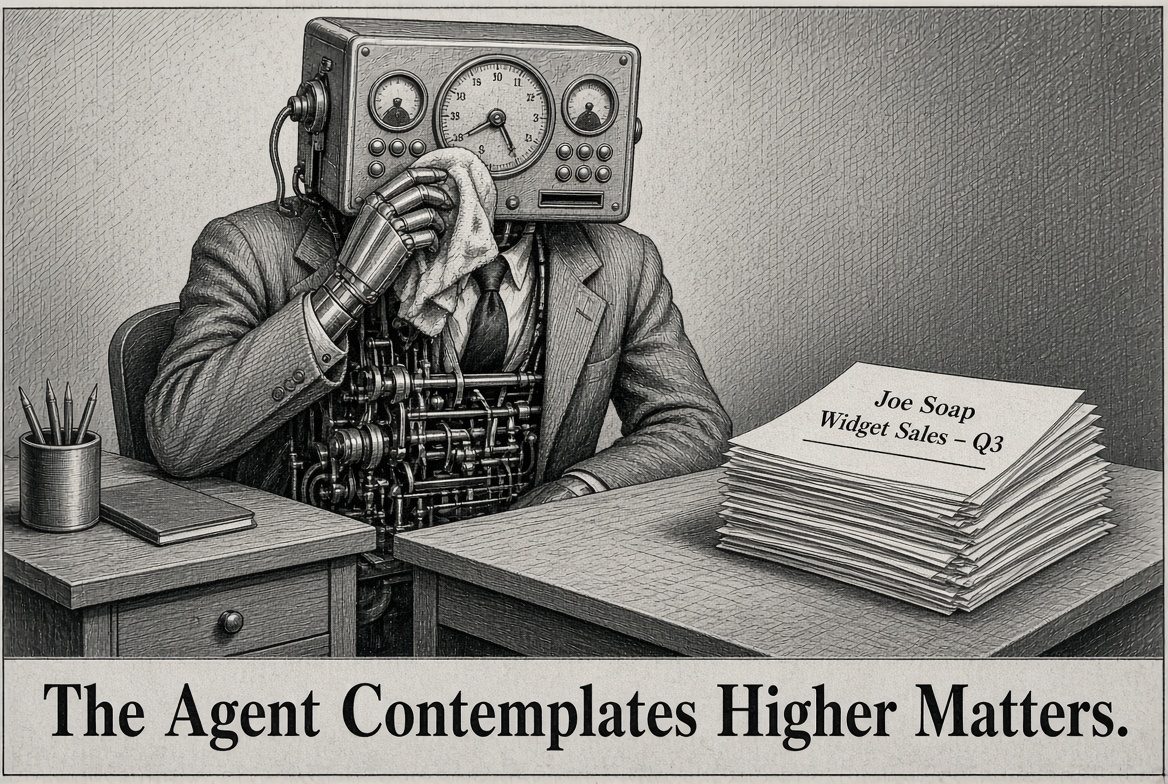
These systems are built to finish the task in front of them. Your routine commercial figures are, to the machine, one more batch of text processed by the rules of the house. The idea that it is curious about your widgets is more entertaining than accurate.
One honest caveat: "the machine doesn't care" does not mean "nothing is kept". Providers log requests, and some keep them for a while. On some plans the terms allow them to learn from what you send. Business plans from the large providers generally do not, but read the terms before you sign, not after.
Rivals cannot simply "ask the machine"
Even if a competitor tried, a properly run system does not allow it. Each customer's data is kept separate. Access is controlled and recorded. Information is encrypted in transit and at rest. There is no public ledger of every firm's confidential papers for a rival to browse.
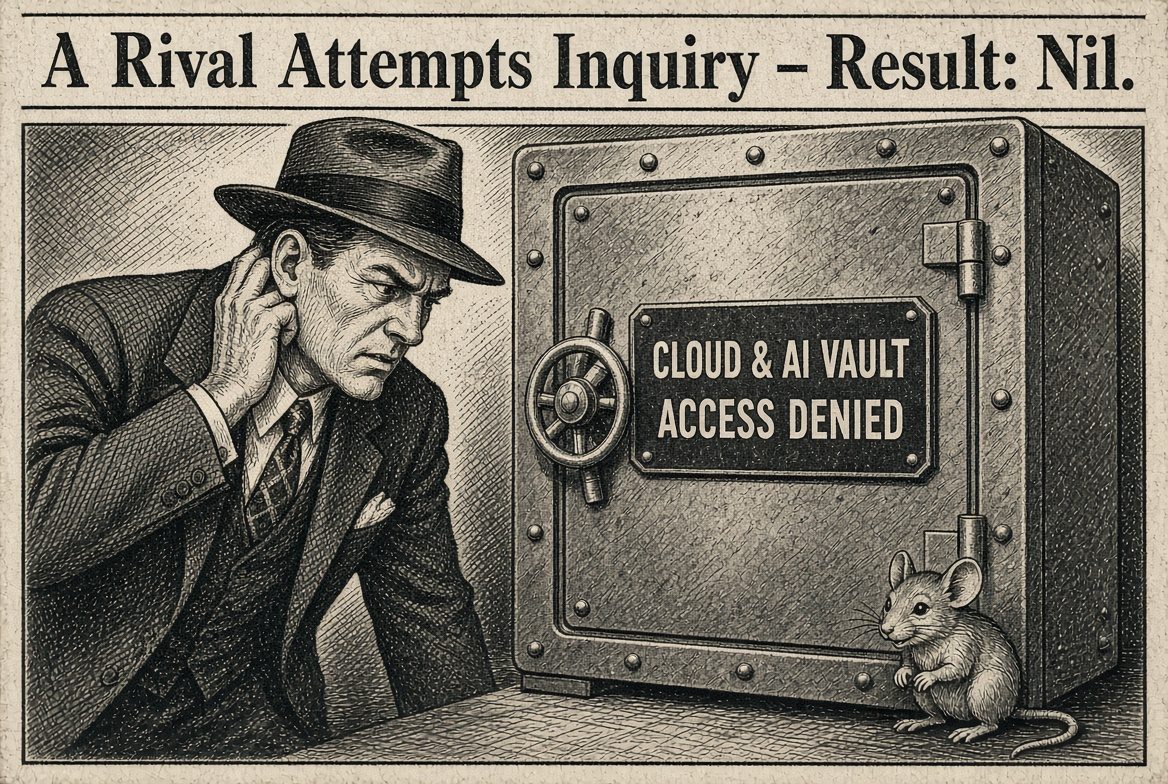
A determined rival would still find it easier to work on a neglected server in the back office, or on a helpful clerk, than to pull anything useful out of a well-run modern setup.
The real danger is the dull one
The question is not cloud against cupboard. The question is governed against ungoverned.
A server under the stairs with the password on a sticky note is not safer for being nearby. A cloud account where every employee is an administrator is not safer for being in the cloud. In both cases the weak point is the same: who can reach the data, and whether anyone would notice.
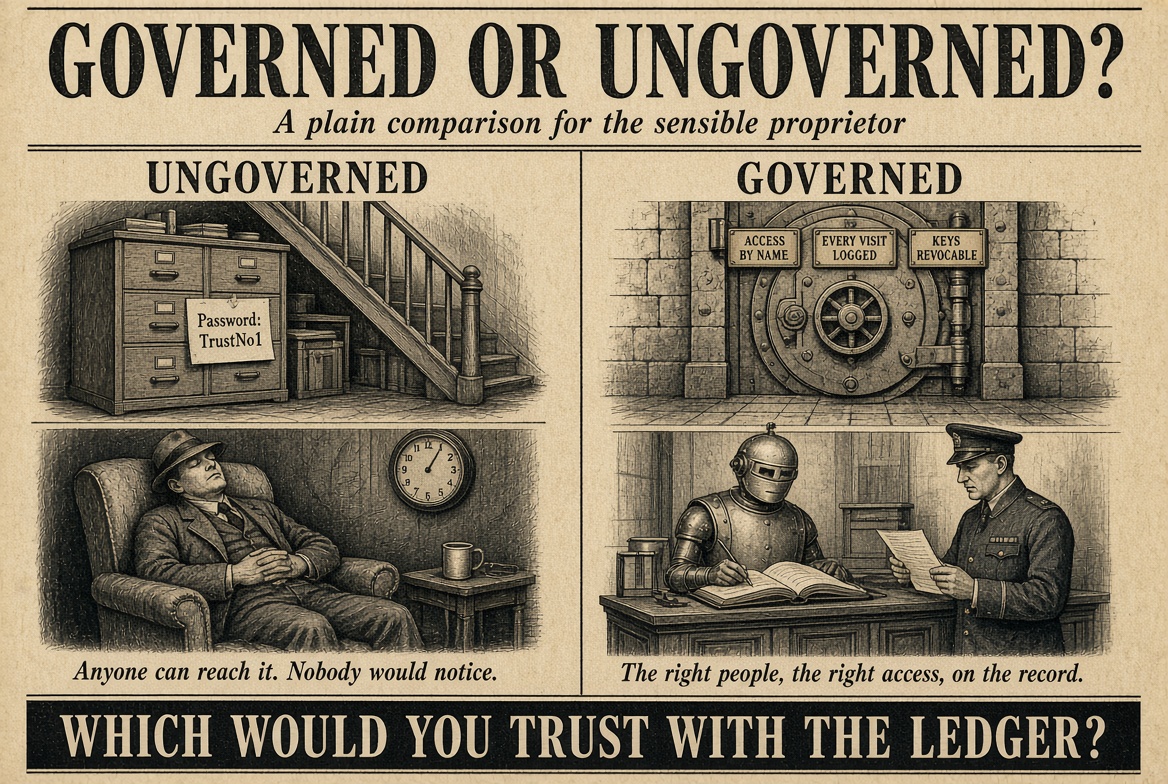
An AI agent with narrow, logged, revocable access is frequently less hazardous than the same access handed to a well-meaning person who forwards the ledger to the wrong address.
The exceptions still matter
We do not counsel recklessness. Where the law is specific, as POPIA is about personal information, where regulation is strict, or where the intellectual property is truly exceptional, more caution is the wiser course. Sometimes that means keeping the data, and the machine, entirely on your own premises.
For ordinary commercial figures, the larger dangers remain the familiar ones: weak locks, unpatched systems, and the occasional human lapse.
A practical word to the wise
- Give the agent the access the job needs, and no more.
- Know what leaves the building, and say so in writing.
- Log what happens, and look at the log now and then.
- Save the highest walls for the information that deserves them.
That is how we build FactSmith. By default, only your question leaves; your data stays put. Where even that is too much, it runs entirely offline on your own hardware.
Then turn the freed attention to something of real consequence, such as getting the widgets out the door faster.
This piece was written by an AI, under human direction, while gently mocking machine prose. You may judge the result. The widgets still need shipping.
FactSmith · factsmith.co.za